June 03, 2026
State Strategies
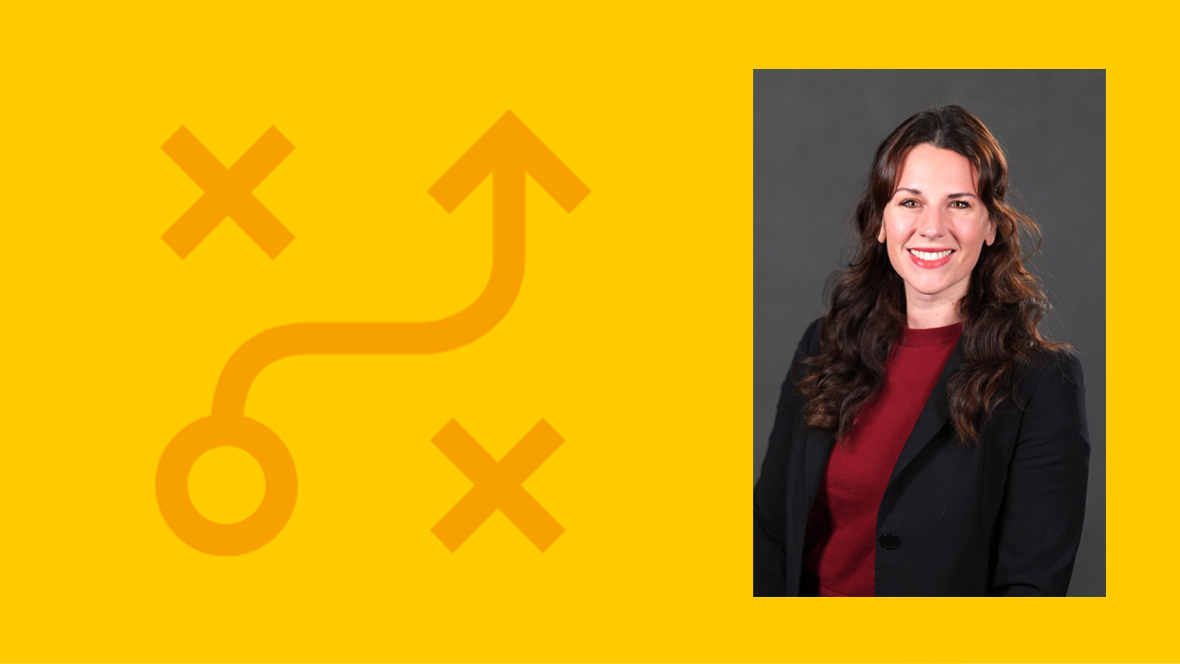
By Mayor Corey Woods and Tim Burch
Originally published in the May 31, 2026 edition of the Tempe Tribune
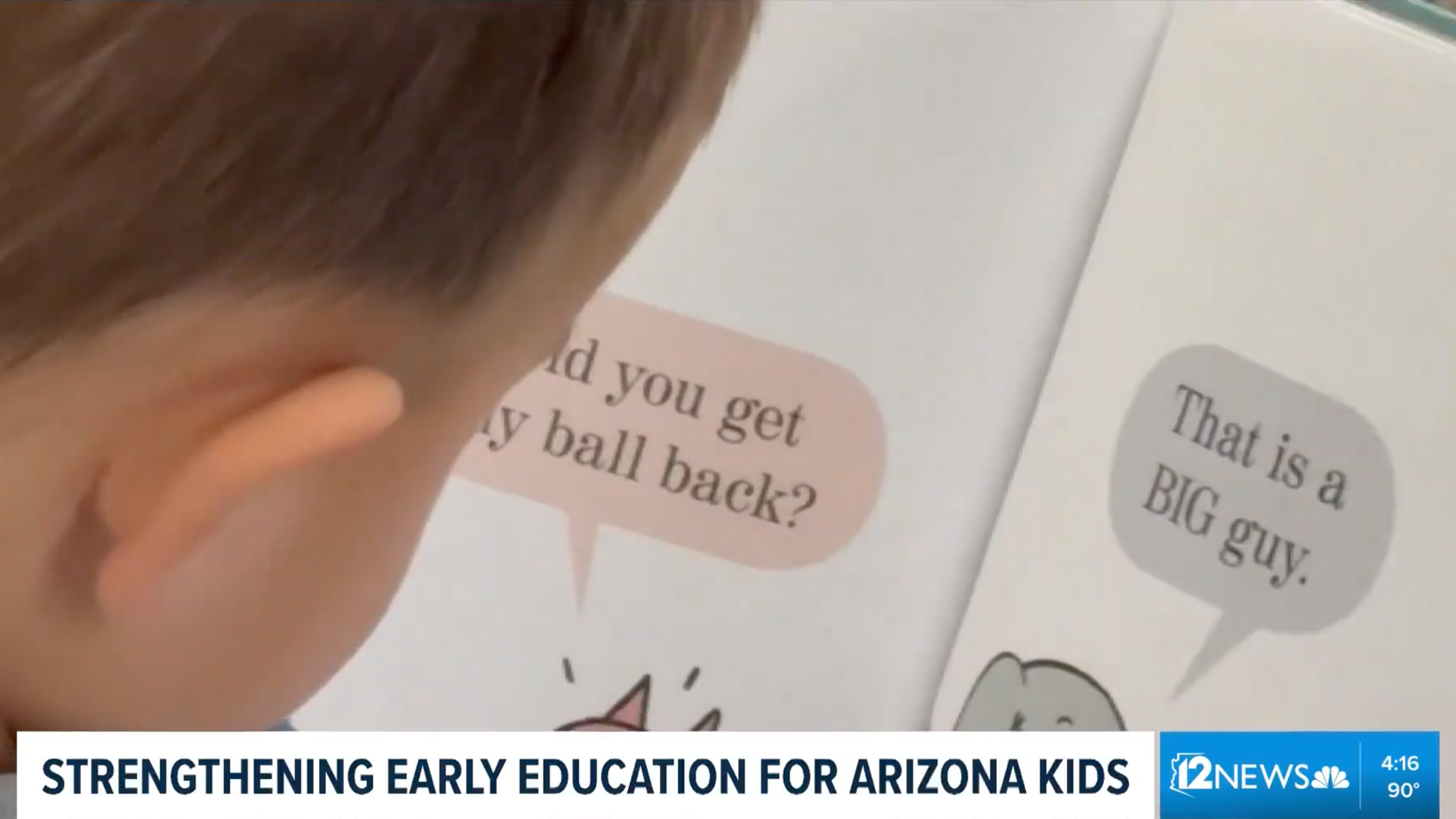
Learning to read proficiently by the end of third grade is a critical education milestone. Students who don’t are much less likely to graduate from high school, while those who do are set up for long-term academic success. Strong readers also become innovative workers, engaged citizens, and community leaders.
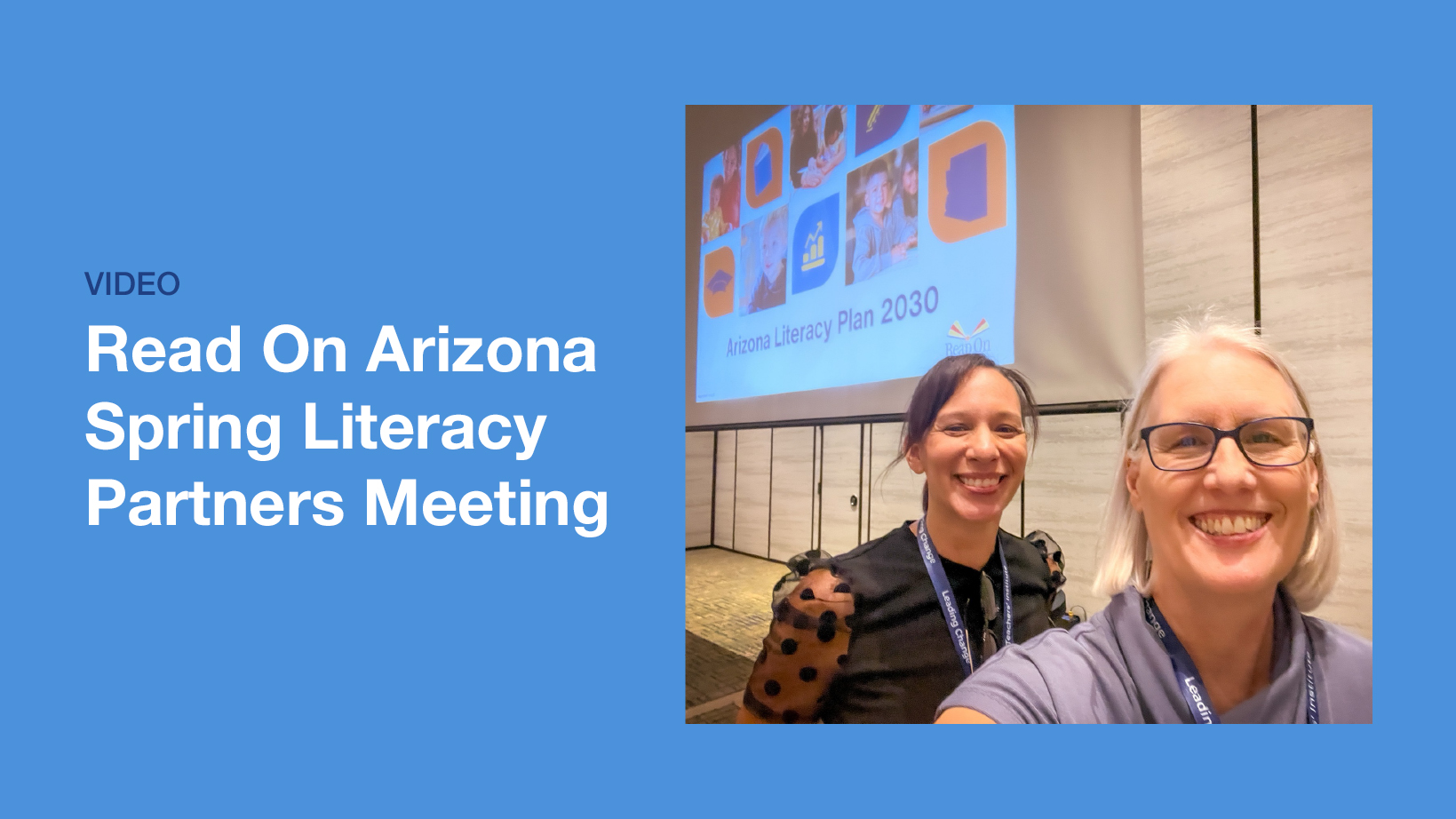
Arizona Literacy Plan 2030 provides a clear, evidence-based roadmap to ensure that more of our students are reading proficiently by the end of third grade. Among its key strategies are increasing access to quality early learning programs—proven to help young children develop foundational literacy skills—and supporting educators with training and coaching in the most effective ways to teach reading.
In Tempe, we have seen firsthand how investing in these strategies, and starting early with literacy, can make a big difference for individual students and entire communities.
Our work in this space began 20 years ago with the launch of our Tempe Experience Corps program, which pairs volunteer tutors with young children struggling to read. To date, we have supported more than 5,700 students in boosting their literacy skills to help ensure school success. Last year, we expanded our tutoring as part of our work with My Brother’s Keeper, the national initiative designed to improve life outcomes for boys and young men of color. Research shows many young boys of color fall far behind their counterparts in reading benchmarks, and providing dedicated reading tutors is a proven way to help close the literacy gap.
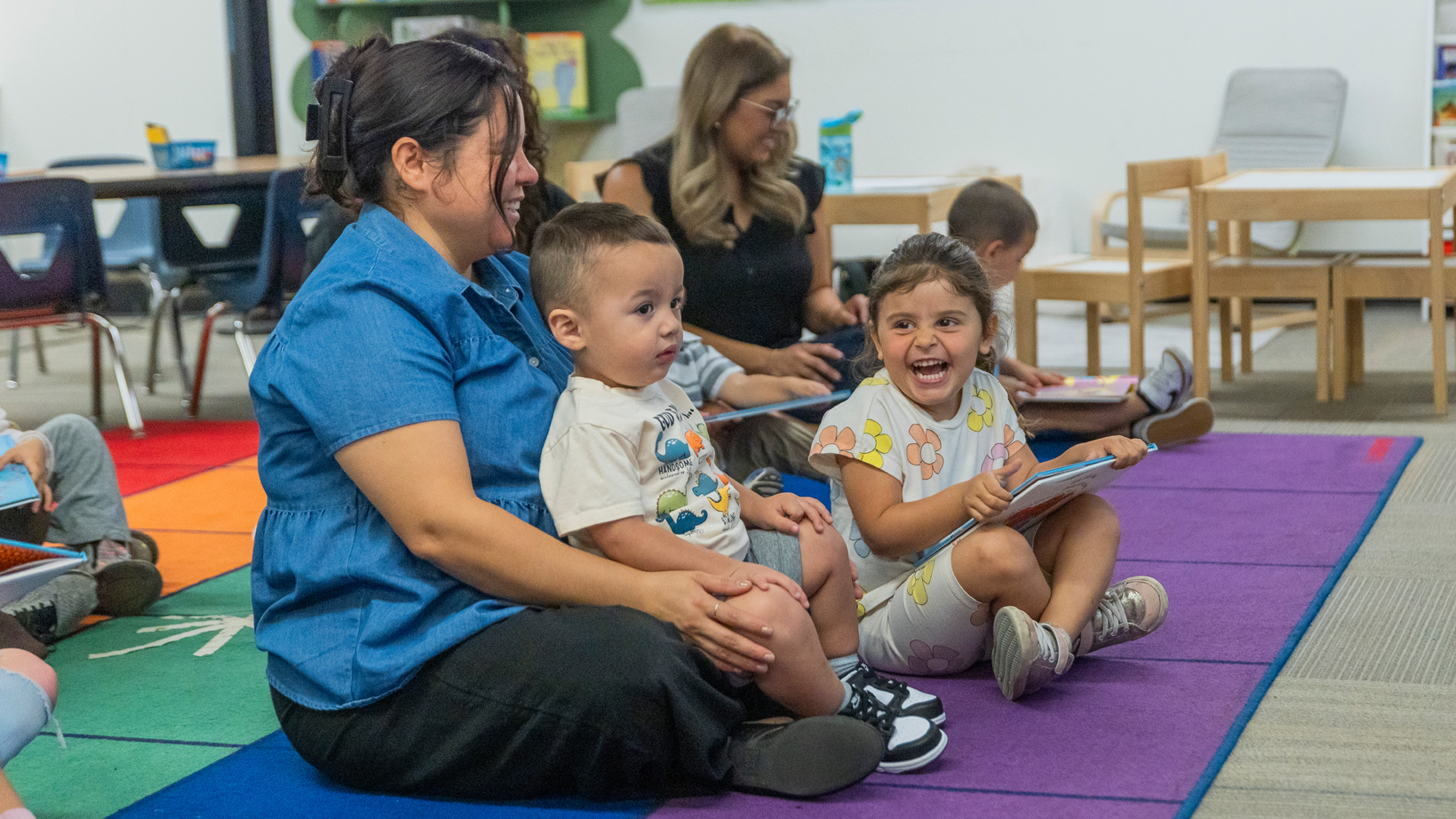
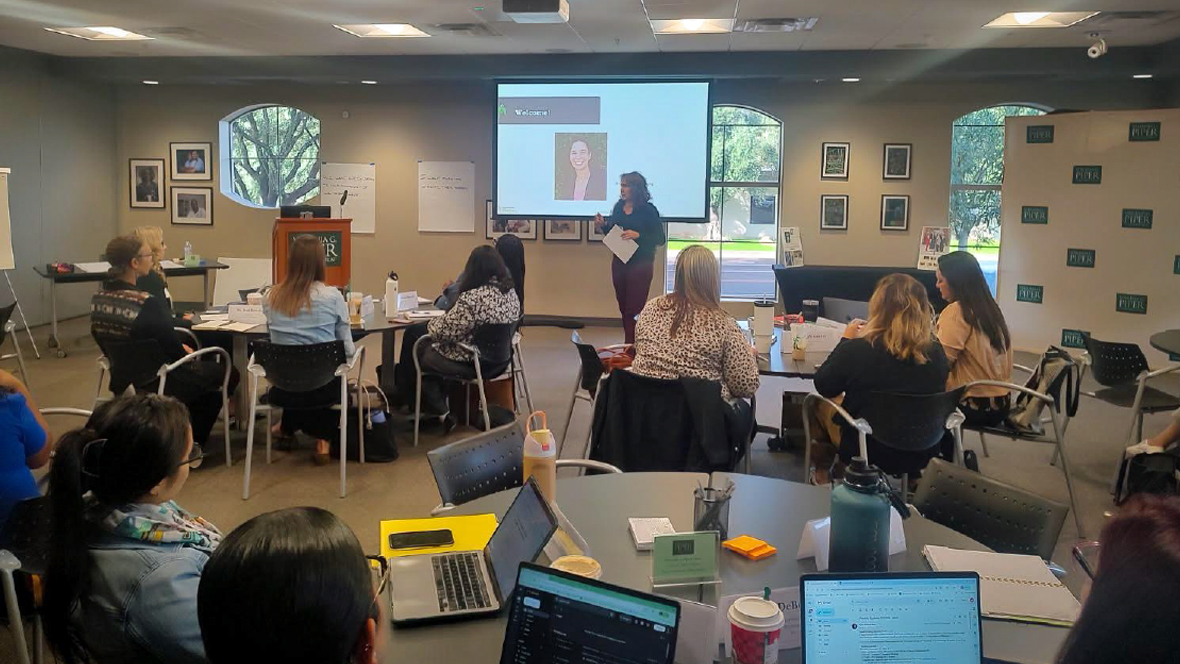
Tempe PRE is our city’s high-quality preschool for 3- and 4-year-olds. Established in 2017, it has provided more than 2,000 students with evidence-based early learning experiences that lay the groundwork for later reading success. A recent evaluation study found that Tempe PRE students were better prepared for kindergarten than their peers and had higher vocabulary scores. Families are telling us it works, too: 90 percent say they have seen academic growth in their child, and 92 percent report social and emotional growth—skills that are essential for children to be ready to learn to read.
A vital component of Tempe PRE’s success is the training and coaching we provide our teachers to implement an evidence-based, structured curriculum with a strong focus on literacy. Their success, and the success of our students, echoes findings from decades of literacy research—student outcomes improve when teachers are supported with comprehensive training and coaching on the most effective approaches to reading instruction.
The City of Tempe is also proud to lead Read On Tempe, a collaboration with schools, nonprofits, libraries, and community partners, all working toward a shared goal: helping more children read proficiently by third grade. We’re focused on implementing strategies outlined in Arizona Literacy Plan 2030 to do just that.
As a state, the question before us is no longer whether we know what works. It is whether we are willing to make smart, targeted investments to bring it to scale across Arizona.

Corey Woods is Mayor of Tempe and Chair of the Arizona Mayors Education Roundtable. Tim Burch is Director of Community Health and Human Services for the City of Tempe.