April 23, 2026
State Strategies
By Krystyn Paulat
There are different perspectives and, sometimes, competing priorities in the debate over how best to improve our schools. However, one thing is becoming increasingly clear — if we want children to succeed in school, in their careers, and in life, our focus must be on helping them develop the literacy skills they need to read proficiently by the end of third grade.
State leaders, education partners and community organizations have united behind Arizona Literacy Plan 2030, a shared roadmap grounded in evidence-based instruction and aimed at significantly improving early reading outcomes. This plan details specific, research-supported actions to boost educator capacity, expand effective literacy practices, and coordinate resources to ensure that more students become strong readers by third grade. However, momentum alone will not improve reading scores. We must continually invest in the key strategies that bring this plan to life in classrooms, especially for students who have traditionally been left behind.

Children’s Action Alliance works to ensure that every child in Arizona is safe, loved and has access to a high-quality education, no matter their ZIP code or background. For us, that means making sure students — particularly those in underserved and rural communities — benefit from high-quality literacy instruction and the supports that make that instruction effective, day in and day out. One of the most proven ways to accelerate early literacy, and a central strategy of Arizona Literacy Plan 2030, is expanding access to literacy coaches.
Arizona Literacy Plan 2030 calls for building on the success of the state’s early literacy coaching initiative to deploy literacy coaches where they are needed most. Through the Arizona Department of Education’s Foundational Literacy Coaching Grant, more than 30 coaches are already serving high-need PreK – 3 communities, supporting more than 300 teachers and thousands of students. Schools with foundational literacy coaches have posted stronger growth than the state average, with benchmark scores increasing by about 12%. This evidence shows that coaching helps translate the science of reading into improved student outcomes.
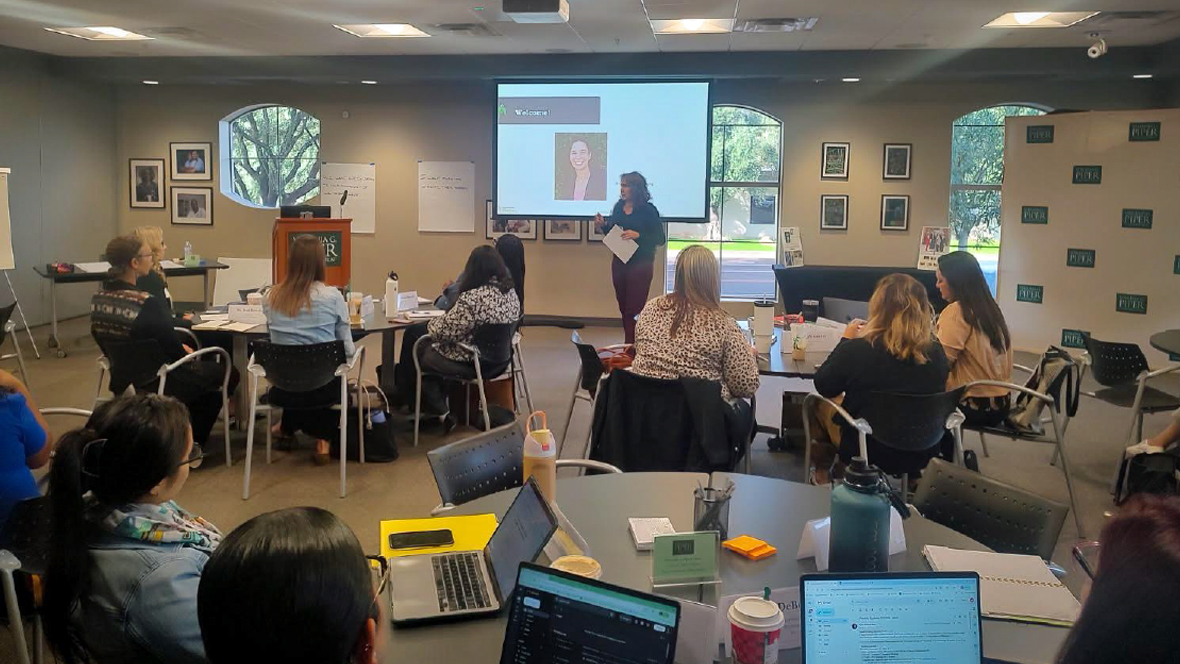
High-quality literacy coaching works because it is job-embedded and directly focused on helping teachers implement evidence-based reading instruction. Coaches collaborate with educators to plan and model lessons, analyze assessment data, and refine instruction to be explicit, systematic, and aligned with how children learn to read. When teachers receive this kind of ongoing, classroom-centered support, students benefit through stronger decoding, comprehension, and overall reading proficiency.
Without this level of support, even strong curricula and standards may not reach the students who need them most. This is especially true in rural and under-resourced communities, where access to high-quality education and professional development for teachers can be limited by geography, staffing challenges, or funding constraints. Literacy coaching helps close those gaps, along with reinforcing other pillars of Arizona Literacy Plan 2030, such as increasing access to quality early learning opportunities, the K-5 Literacy Endorsement, and the use of high-quality instructional materials in every K-3 school.
That is why Children’s Action Alliance commends the governor’s budget proposal, which includes a targeted $2 million investment to expand literacy coaching in schools and districts with the most struggling readers. This funding aligns directly with the Arizona Literacy Plan 2030 “scale-to-succeed” strategy to increase the number of foundational literacy coaches, from a few dozen today toward the plan’s goal of more than 100 coaches serving the highest-need K–5 schools later this decade. Crucially, this approach is about supporting teachers in doing what we already know works, by adding no new mandates and including only the practical coaching needed to implement the plan effectively. When teachers are well-supported, students thrive.
Improving early literacy is not just an early education issue — it is one of Arizona’s most powerful strategies for economic success and expanding opportunity. Students who are not strong readers by the end of third grade are more likely to struggle in every subject, less likely to graduate, and less prepared for the jobs that power our state’s future. By investing now in literacy coaching and fully implementing Arizona Literacy Plan 2030, we can give children a foundation for success, strengthen our workforce, and secure a more prosperous future for Arizona.
Kyrstyn Paulat is the director of Early Learning and Education at Children’s Action Alliance.