February 09, 2026
State Strategies
Literacy is the key to student achievement, a strong workforce, and Arizona’s future.
New federal and state funding opportunities are meaningful steps toward scaling up key drivers of Arizona Literacy Plan 2030 to improve literacy outcomes for Arizona students, including expanding access to high-quality early learning and supporting educators with training and coaching on the most effective ways to teach reading.
Support for Literacy Coaches in Governor’s Executive Budget
Governor Katie Hobbs’s FY2027 Executive Budget, released in January, includes $2 million to increase the number of literacy coaches deployed to Arizona schools and districts with the most struggling readers.
This proposal aligns with Arizona Literacy Plan 2030’s “scale-to-succeed” strategy to build on the success of the Arizona Department of Education’s Foundational Literacy Coaching grant program, which currently funds 34 literacy coaches that impacted over 300 teachers and 8,000 students in 2025. Schools supported by foundational literacy coaches demonstrated greater growth scores across grade levels compared to the state average, increasing benchmark scores by an average of 12%.
Evidence shows that student outcomes improve when teachers are supported with comprehensive training and coaching on the most effective approaches to reading instruction. Foundational literacy coaches support teachers in implementing evidence-based core reading curriculum, instructional practices, and assessment in ways that help students make educational progress.
Literacy coaching is a key strategy of Mississippi and other states that have demonstrated consistent and exceptional progress in early literacy. Mississippi's literacy coaching program began in 2013, deploying coaches to its lowest performing schools.
The proposed one-time investment in foundational literacy coaches represents a significant step toward bringing this strategy to scale in support of Arizona schools, educators, and students.
The Governor’s budget proposal is a starting point for the state budget process. The Arizona Legislature must pass a balanced budget before the start of the new state fiscal year on July 1, 2026.
Federal Preschool Development Grant
In January, Arizona was selected to receive $8.4 million in one-time, one-year federal funding to improve the quality of early care and education (ECE) programs, promote family choice, and strengthen our state’s early childhood system.
Arizona is one of 23 states awarded the competitive FY2025 Preschool Development Grant Birth Through Five (PDG B-5) Systems-Building Grant, administered by the Office of Early Childhood Development at the U.S. Department of Health and Human Services. Unlike the previous PDG B-5 grant, funds may not be used to create new early care and learning programs or to fund early learning slots for ECE providers. The project period runs through Dec. 30, 2026.
Arizona’s successful application was submitted by the Arizona Department of Education (ADE) and developed in collaboration with Read On Arizona, the Arizona Department of Economic Security, Arizona Head Start Association, First Things First and the Governor’s Office.
“Read On Arizona was proud to play a critical role in the collaborative and coordinated efforts of ECE partners in putting together a successful PDG B-5 systems building grant application,” said Lori Masseur, early learning director for Read On Arizona. “Partners identified critical elements, such as professional development for educators, regional family literacy hubs, fiscal mapping, and other systems-building strategies to improve the quality of early learning for Arizona’s youngest learners.”
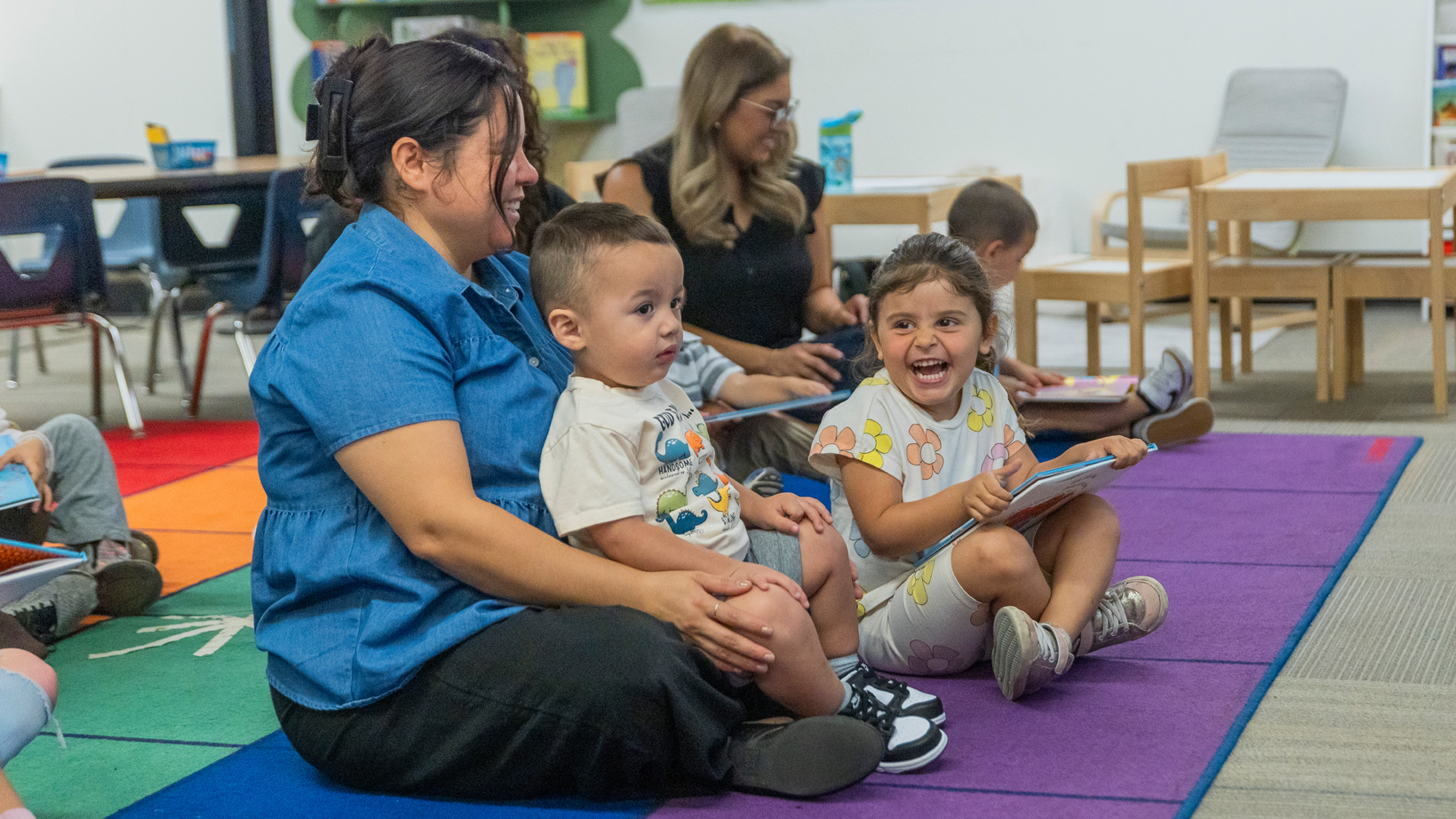
Expanding access to high-quality early learning is one of the four key drivers of Arizona Literacy Plan 2030. High-quality early education programs support language and early literacy development and help young children be ready to learn to read.
“This funding provides Arizona with the opportunity to make targeted investments that strengthen the early childhood system, improve long-term sustainability, and support the success of our educators, youngest learners, and their families,” said Laura Lee, who leads the early childhood education team at ADE. “We extend our sincere appreciation to our valued partners, whose collaboration, leadership, and expertise were instrumental in the successful submission of this grant.”