May 11, 2026
State Strategies
By Sharon Harper and John Graham
Arizona’s long-term economic strength depends on the quality of its homegrown workforce.
As business and civic leaders, we are committed to investing in efforts to attract, develop, and retain talent to sustain Arizona’s competitiveness. Yet a critical component of building our talent pipeline is often overlooked, because it begins long before most corporate recruitment efforts: ensuring our children learn to read proficiently by the end of third grade.
Third-grade reading is more than an education benchmark. It is one of the most reliable predictors of future academic achievement, workforce readiness, and economic mobility. Students who don’t read proficiently by third grade are four times more likely to leave high school without a diploma. And only 36% of Arizona’s third-graders passed the most recent state assessment.
If Arizona is serious about building a strong and competitive economy, we need to invest in proven ways to teach our children to be strong readers. And we know how to do it.
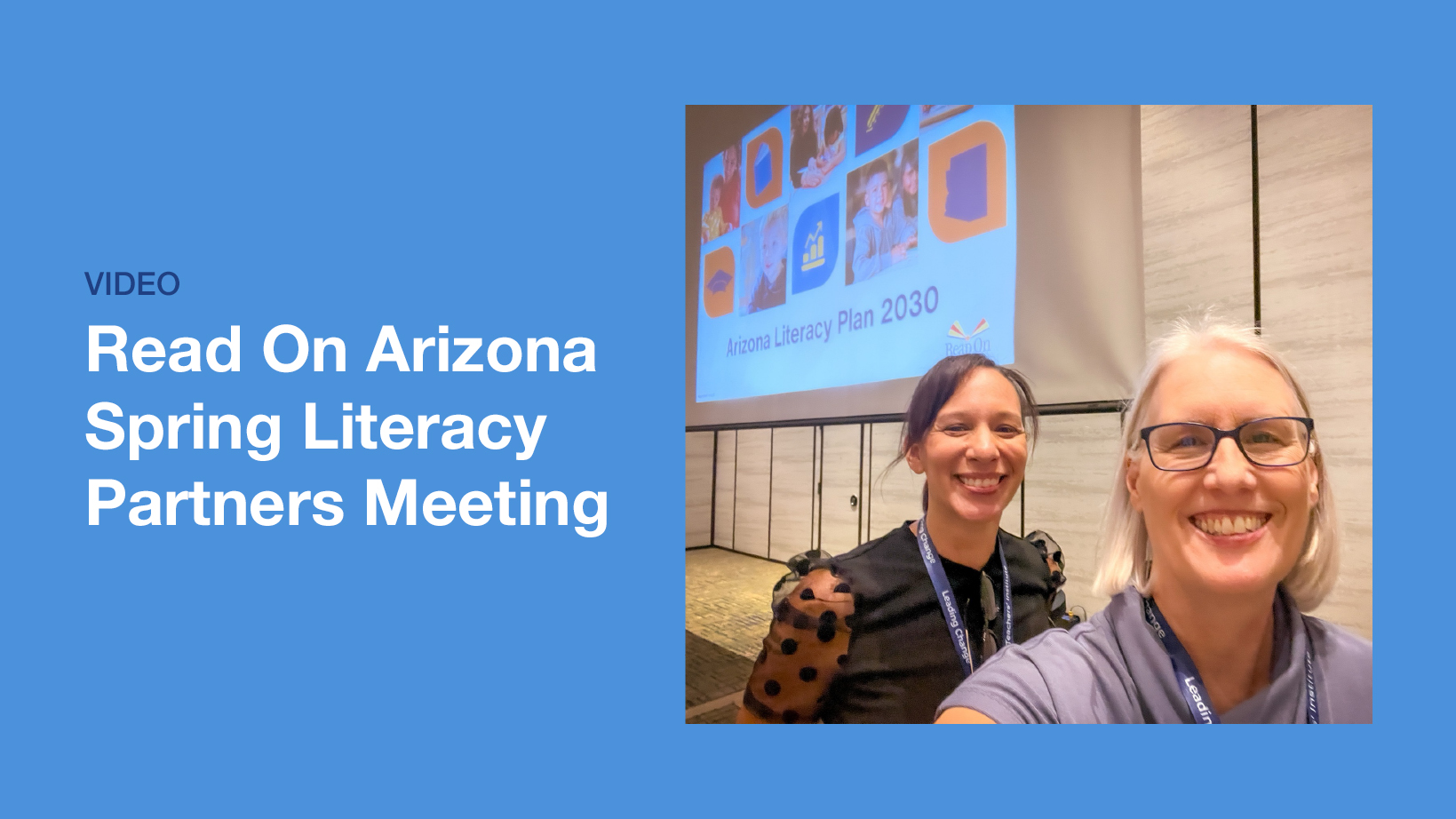
Arizona Literacy Plan 2030 provides a clear, evidence-based roadmap for coordinated statewide action and data-driven strategies to help our schools deliver effective reading instruction to our youngest students. The business case is straightforward: this plan identifies where investment will yield measurable returns in student and workforce outcomes. Now, like any sound strategy, success depends on disciplined execution.
Literacy: A down payment on economic growth
One of the most effective approaches the plan highlights is literacy coaching — on-site instructional experts with specialized knowledge in the science of reading who help teachers apply evidence-based reading instruction in real time. It’s an efficient, results-oriented model with a strong record of improving student outcomes. In business terms, it’s a productivity multiplier for our education system, supporting the people — classroom teachers — who have the most direct influence on performance.
The proposed $2 million state investment in literacy coaching this year is a smart, targeted down payment on long-term economic growth. It is modest relative to the scale of the challenge but is designed for impact and accountability. By evaluating outcomes and scaling what works, Arizona can apply the same principles that drive successful enterprises, including strategic investment, performance measurement, and continuous improvement.
Literacy is not simply an education issue. It’s an economic imperative. We cannot build a top-tier workforce on a weak foundation in reading. Supporting Arizona Literacy Plan 2030 and investing in literacy coaching represents the kind of pragmatic, data-informed leadership that has long defined Arizona’s most enduring industries. It will pay dividends across our economy for decades to come.

Sharon Harper is chairman and CEO of Plaza Companies and is co-chair of Greater Phoenix Leadership’s Public Policy Committee. John Graham is chairman and CEO of Sunbelt Holdings and co-chair of Greater Phoenix Leadership’s Education Committee.
Photo credit: Plaza Cos. | Jim Poulin, Phoenix Business Journal
Originally published in the Phoenix Business Journal on May 8, 2026